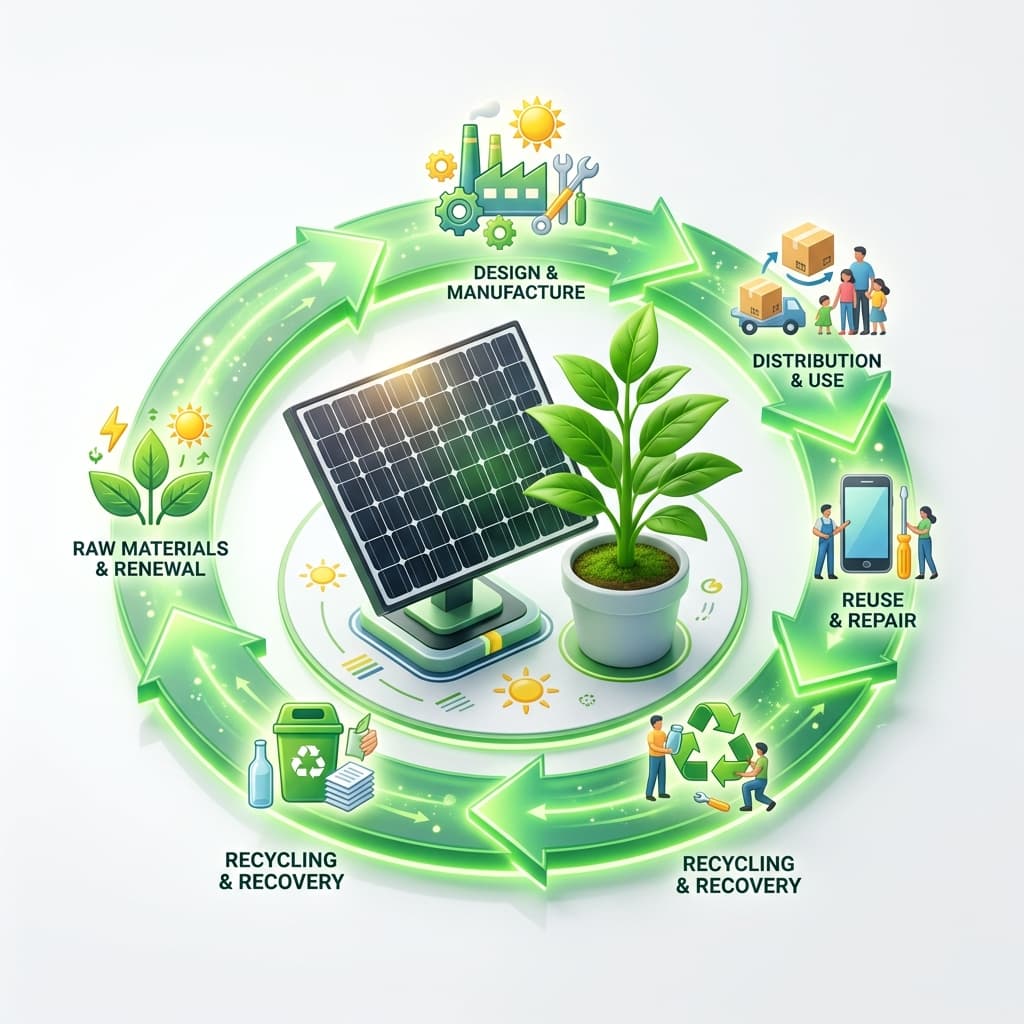
Navigating the Current Recycling Landscape
The traditional approach to solar panel disposal often involved simple downcycling—removing the aluminum frames and shredding the rest of the panel to be used as low-grade filler in construction materials. While this keeps the bulk out of landfills temporarily, it fails to capture the true value embedded in the panel's complex matrix.
The Challenges We Face
A primary challenge in the recycling industry is the strong adhesives (compounds like EVA) used to bind the glass, silicon cells, and backsheets together. Unlocking these components without shattering the delicate silicon or mixing the trace metals has historically been difficult and economically unviable.
Defining Best Practices
The path forward relies on dedicated, high-tech recycling facilities. Best practices in modern circular economy methodologies include:
- Thermal and Chemical Delamination: Using specialized processes to dissolve the encapsulant layers cleanly, preserving the integrity of the silver and silicon.
- High-Purity Extraction: Mechanical separation refined enough to guarantee that the recovered glass is free of antimony and plastics, allowing it to be spun into fiberglass or melted for new panels.
- Zero Waste Reporting: Transparent tracking systems that offer businesses complete assurance that their decommissioned panels were handled safely and compliantly.
A Circular Future
By implementing these high standards, Kreon Green Energy ensures that decommissioned assets are transformed back into premium raw materials. This closed-loop system is the definitive path forward, cementing solar energy as a genuinely sustainable enterprise from start to finish.